
Prefabricated Housing Guide: Portable Cabins, Modular Buildings & Container Homes

Article 1: An Overview of the Prefabricated Housing Industry: Trends, Benefits and Key Players
The global prefabricated housing industry is experiencing steady growth, driven by the increasing demand for efficient, cost-effective, and sustainable building solutions. Unlike traditional on-site construction, prefabricated (prefab) housing involves manufacturing building components in a controlled factory environment before transporting and assembling them on-site. This innovative approach addresses many pain points of conventional construction, including long construction cycles, high labor costs, and environmental pollution, making it a preferred choice for residential, commercial, and industrial applications worldwide.
In recent years, the industry has witnessed significant evolution, with technological advancements and changing market needs shaping its development. According to the Modular Building Institute (MBI), the U.S. modular construction market reached $20.3 billion in 2024, accounting for 5.1% of total construction activity, and is projected to grow at a compound annual growth rate (CAGR) of 4.5% to reach $25.4 billion by 2029—outpacing the broader construction industry by 1.3%. This growth is fueled by several key drivers: the global push for green and low-carbon construction, the rising demand for affordable housing, the need for rapid deployment in emergency situations, and the increasing adoption of modular technologies in commercial and industrial sectors.
The prefabricated housing industry encompasses a variety of product types, each designed to meet specific use cases. The most common categories include portable cabins (also known as mobile cabins), modular buildings, and container homes. While these products share the core advantage of prefabrication—efficiency and flexibility—they differ in design, materials, and applications, catering to diverse user needs from temporary site offices to permanent residences.
One of the biggest benefits of prefabricated housing is its efficiency. Factory-controlled manufacturing ensures consistent quality, reduces construction time by 30% to 60% compared to traditional methods, and minimizes on-site waste. For example, modular buildings can be fully fabricated in a factory within weeks, then assembled on-site in days, significantly shortening project timelines. Additionally, prefab housing is highly customizable, allowing users to tailor the design, size, and functionality to their specific requirements, whether it’s a small site office, a multi-family residential building, or a specialized laboratory cabin.
Sustainability is another key focus of the modern prefabricated housing industry. Many prefab products, especially container homes, utilize recycled materials, reducing the need for new resource extraction. The factory manufacturing process also generates less waste—typically 1/20 of the waste produced by traditional construction—and allows for better energy efficiency in the finished building through improved insulation and energy-saving systems. As global awareness of carbon neutrality grows, prefabricated housing is emerging as a critical solution to reduce the construction industry’s carbon footprint.
Key players in the industry range from large manufacturing companies to specialized modular builders. These companies focus on innovation, developing advanced materials and technologies to enhance the durability, comfort, and sustainability of prefab products. From Alibaba’s extensive range of portable cabins to Modular Genius’s turnkey modular solutions, the market offers a wide array of options for users across different sectors. As the industry continues to grow, we can expect further advancements in digital design (such as BIM technology), automation in manufacturing, and the integration of smart home features into prefabricated buildings.
Whether you’re a construction professional in need of temporary site facilities, a homeowner looking for an affordable and eco-friendly residence, or an organization seeking rapid deployment solutions for emergency relief, the prefabricated housing industry has a product to meet your needs. In the following articles, we will dive deeper into the three most popular prefab product types: portable cabins, modular buildings, and container homes, helping you understand their features, applications, and how to choose the right one for your project.

Article 2: Portable Cabins & Modular Buildings: Versatile Solutions for Every Industry
Portable cabins and modular buildings are two of the most widely used prefabricated products, valued for their versatility, mobility, and efficiency. While often confused, these two types of prefab structures serve distinct purposes and offer unique benefits, making them indispensable in construction, industrial, educational, and commercial sectors. Let’s explore their key features, applications, and advantages to help you determine which solution is right for your needs.
Portable Cabins: Flexible and Temporary (or Semi-Permanent) Spaces
Portable cabins are modular structures designed for temporary or semi-permanent use, characterized by their mobility and quick deployment. They are typically prefabricated in a factory as complete units, then transported to the site via flat-bed trucks, and can be easily relocated if needed. These cabins are available in a variety of sizes and configurations, making them suitable for a wide range of applications.
One of the most common uses of portable cabins is as site office cabins. These cabins serve as fully functional temporary offices for construction supervisors, engineers, and administrative staff, equipped with desks, chairs, storage units, electrical outlets, lighting, and climate control systems. They are also sound-insulated to create a focused work environment, and can be wired for internet and communication systems to ensure seamless connectivity on-site. While they offer limited space compared to permanent offices, their portability makes them ideal for construction projects that require moving offices from one site to another.
Another popular application is laboratory cabins, specialized units designed for on-site testing and analysis in construction, geotechnical, and environmental projects. These cabins feature customizable interior layouts to accommodate lab equipment, self-sufficient water supply, power backup, and waste management systems, as well as climate and humidity control to ensure accurate testing results. They also include built-in ventilation and fume extraction systems to maintain a safe working environment, though they come with a higher initial cost due to their specialized systems.
Accommodation cabins are also in high demand, designed to house workers in remote or rural locations where daily commuting is impractical. These cabins can be configured to accommodate 4–6 occupants per unit, available as single or double-story modules, and include essential living amenities such as sleeping quarters, cooking facilities, and bathrooms. They are insulated to withstand extreme weather conditions, making them suitable for remote construction sites, mining camps, disaster relief efforts, and large-scale infrastructure projects. While self-contained units cost more than basic models, their ability to provide comfortable living spaces in remote areas makes them a valuable investment.
Modular Buildings: Scalable and Permanent (or Semi-Permanent) Solutions
Modular buildings, on the other hand, are prefabricated structures designed for more permanent or semi-permanent use, offering greater scalability and customization than portable cabins. Unlike portable cabins, which are often single units, modular buildings are composed of multiple prefabricated modules that are joined together on-site to create larger spaces. These modules are manufactured in a factory with high precision, ensuring consistent quality and easy assembly.
Modular buildings are widely used in residential, commercial, and public sectors. In the residential sector, they are used to build single-family homes, multi-family apartments, and even luxury villas. These homes offer the same comfort and functionality as traditional homes but with shorter construction times and lower costs. For example, a modular home can be manufactured in a factory in 4–6 weeks and assembled on-site in 1–2 weeks, compared to 6–12 months for a traditional home.
In the commercial sector, modular buildings are used to construct offices, retail stores, restaurants, and data centers. They offer businesses the flexibility to expand their space as needed—additional modules can be added easily without disrupting existing operations. The MBI reports that the office/data center segment of the U.S. modular market is projected to grow at a CAGR of 7.1%, from $1.4 billion in 2024 to $2.0 billion in 2029, highlighting the growing demand for modular commercial spaces.
Public sector applications include schools, hospitals, and government buildings. Modular schools, for example, can be quickly deployed to address overcrowding or to serve remote communities, offering fully equipped classrooms, libraries, and administrative spaces. Modular medical centers are also used in rural areas or during emergencies, providing essential healthcare services with minimal construction time.
Key Advantages of Portable Cabins and Modular Buildings
Both portable cabins and modular buildings offer significant advantages over traditional construction:
- Quick Deployment: Factory prefabrication reduces on-site construction time, allowing projects to be completed in a fraction of the time required for traditional buildings.
- Cost-Effective: Reduced labor costs, minimal on-site waste, and shorter project timelines translate to lower overall costs.
- Customizable: Both can be tailored to meet specific size, layout, and functionality requirements, from basic offices to luxury homes.
- Durable: Manufactured in controlled factory environments with high-quality materials, these structures are built to withstand harsh weather conditions and heavy use.
- Sustainable: Reduced waste, energy-efficient designs, and the ability to reuse or relocate units make them more environmentally friendly than traditional construction.
In summary, portable cabins are ideal for temporary or mobile needs, such as site offices, remote worker accommodation, and emergency shelters, while modular buildings are better suited for permanent or semi-permanent spaces that require scalability and customization, such as homes, offices, and public buildings. By understanding their unique features and applications, you can choose the right prefabricated solution to meet your specific needs.

Article 3: Container Homes: Eco-Friendly, Durable, and Versatile Prefabricated Living
In recent years, container homes have emerged as one of the most innovative and sustainable solutions in the prefabricated housing industry. Born from repurposed shipping containers—originally designed for global cargo transport—these homes offer a unique combination of durability, affordability, and eco-friendliness, making them a popular choice for homeowners, businesses, and organizations worldwide. From compact tiny homes to multi-story residences and commercial spaces, container homes are redefining how we think about living and working spaces.
The core appeal of container homes lies in their inherent advantages, rooted in the design of shipping containers. These containers are made of high-strength steel, built to withstand extreme weather conditions, heavy loads, and long-distance transportation. They are also waterproof, fire-resistant, and secure, providing a solid foundation for building homes and other structures. Additionally, repurposing shipping containers reduces waste—each recycled container saves approximately 1.2 tons of steel from being re-smelted, equivalent to the carbon sequestration of 60 fir trees.
Types of Container Homes: From Compact to Custom
Container homes come in a variety of configurations, each designed to meet different needs and preferences. The most common types include:
Single-Container Homes
Built from one standard 20-foot or 40-foot shipping container, single-container homes are the most basic and affordable option. A 20-foot container typically provides around 160 square feet of space, while a 40-foot container offers approximately 320 square feet. These compact homes are ideal for tiny home enthusiasts, vacation cabins, studio offices, or emergency shelters. They require minimal site preparation, are quick to build and install, and are highly portable—making them easy to relocate if needed. However, their limited space can be a challenge for those needing full-sized rooms, requiring creative space-saving designs.
Multi-Container Homes
Created by joining two or more containers side-by-side or in L, T, or U shapes, multi-container homes offer significantly more interior space and design flexibility. This configuration allows for separate rooms, such as bedrooms, kitchens, and bathrooms, making them suitable for families or larger households. For example, two 40-foot containers joined side-by-side can create a 640-square-foot home with multiple rooms, while a combination of containers in different shapes can create unique and modern architectural designs. While multi-container homes have higher material and labor costs than single-container homes, they offer greater functionality and resale value.
Stacked Container Homes
Stacked container homes utilize vertical stacking—placing containers on top of one another—to create two or more stories. This configuration is ideal for dense urban areas where land is limited, as it maximizes space without requiring a larger plot. Stacked homes often feature balconies, rooftop decks, and unique architectural appeal, making them popular for urban infill projects, multi-family housing, and commercial buildings. However, they require heavy machinery for installation, reinforced foundations, and higher engineering standards to ensure structural integrity, which can increase costs.
Modular Container Homes
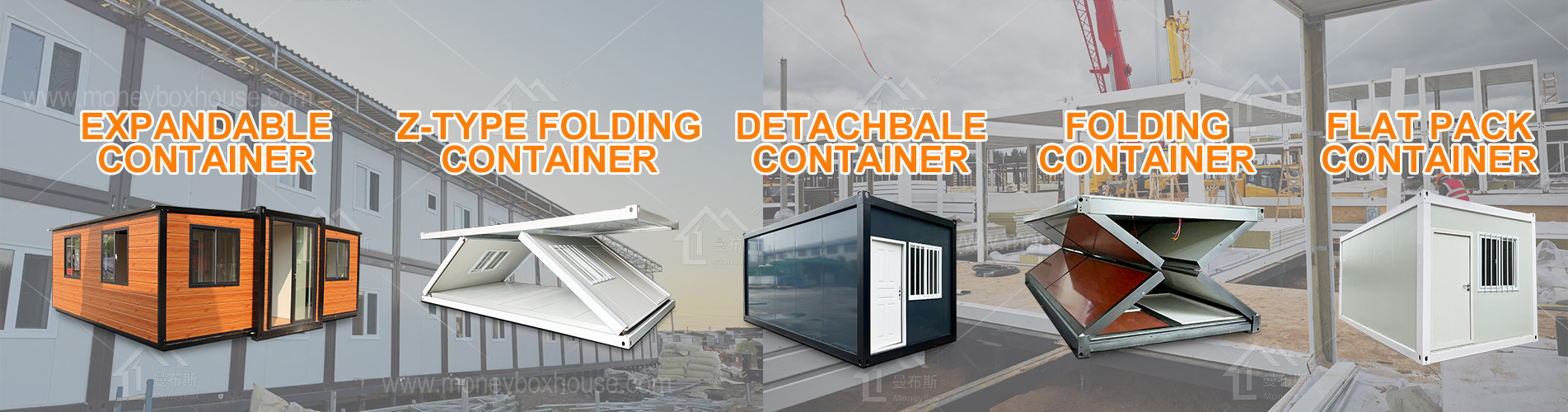
Modular container homes are factory-built using standardized modules with pre-installed plumbing, electrical systems, insulation, and finishes. These modules are then shipped to the site and assembled quickly, offering the convenience of modular construction with the eco-friendliness of container homes. This type of container home is highly customizable, allowing users to choose from a range of designs, finishes, and amenities, and is suitable for both permanent residences and temporary spaces.
Applications of Container Homes: Beyond Residential Use
While container homes are most commonly associated with residential use, their versatility makes them suitable for a wide range of applications:
- Emergency Relief: Container homes are ideal for disaster relief efforts, as they can be quickly transported and assembled to provide temporary shelter for displaced people. For example, during the 2021 Henan floods in China, 500 container homes were assembled in just 3 days, providing shelter for thousands of people. These homes are pre-equipped with水电 systems, fire-resistant materials, and ventilation, making them a reliable solution in emergency situations.
- Commercial Spaces: Container homes are increasingly used to create unique commercial spaces, such as coffee shops, retail stores, pop-up shops, and shared办公 spaces. In Shanghai, a coffee brand used three 40-foot containers to create a riverside pop-up shop, with a first-floor open bar and a second-floor observation deck. This lightweight structure required minimal foundation work and had a rental cost of only 1/3 of traditional shops in the same area.
- Remote Work and Vacation Cabins: Container homes are perfect for remote workspaces and vacation cabins, offering a quiet and comfortable environment in rural or scenic areas. They can be equipped with high-speed internet, climate control, and other amenities, making them suitable for long-term stays.
- Public Spaces: Container homes are also used to create public spaces such as community libraries, street convenience stores, and park visitor centers. These structures are easy to install and can be customized to match the surrounding environment, making them a great option for urban renewal projects.
Benefits and Considerations of Container Homes
Container homes offer numerous benefits, but there are also some considerations to keep in mind:
Key Benefits
- Eco-Friendly: Repurposing shipping containers reduces waste and carbon emissions, making container homes a sustainable building option.
- Durable: Steel construction makes container homes resistant to weather, fire, and pests, ensuring a long lifespan (up to 50 years with proper maintenance).
- Cost-Effective: Container homes are typically 30–50% cheaper than traditional homes, with lower construction and labor costs.
- Quick to Build: Factory prefabrication and simple assembly mean container homes can be completed in weeks, compared to months for traditional homes.
- Customizable: Container homes can be designed in a variety of shapes and sizes, with endless customization options for interiors and exteriors.
Considerations
- Insulation and Ventilation: Steel containers conduct heat and cold easily, so proper insulation and ventilation are essential to ensure comfort. This may require additional materials and costs.
- Modification Costs: Extensive customization, such as cutting windows and doors, adding insulation, and installing utilities, can increase the overall cost of the home.
- Permits and Regulations: Some areas have specific regulations for container homes, so it’s important to check local building codes before starting a project.
- Space Limitations: Single-container homes have limited space, which may not be suitable for larger families or those needing more living area.
In conclusion, container homes are a versatile, sustainable, and cost-effective alternative to traditional homes, offering a unique blend of durability and design flexibility. Whether you’re looking for a tiny home, a family residence, a commercial space, or an emergency shelter, container homes provide a practical and innovative solution. As the prefabricated housing industry continues to grow, we can expect to see even more creative and advanced container home designs, further solidifying their place in the future of construction.


 Nederlands
  English
 español
 français
 Deutsch
 русский
 italiano
 português
 Ελληνικά
 हिन्दी
 online dienst


